
Chassis & Suspension
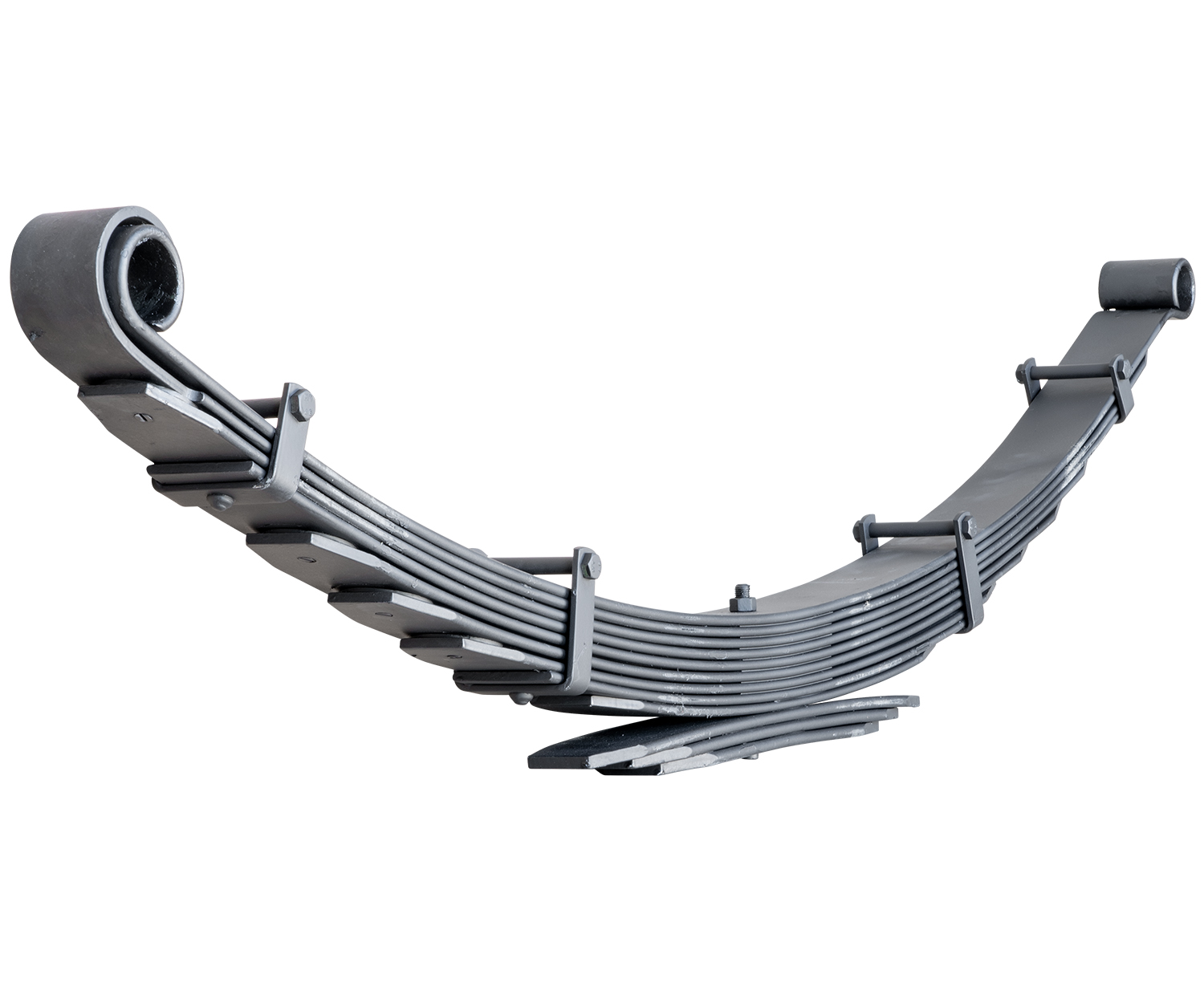
17-26 FORD F250/350 4X4 FULL PROGRESSIVE LEAF SPRING KIT – 1″ LIFT
$1,465.00
SKU: CS-FFSP-LVL-17
– CLICK HERE FOR LOAD TESTING
– Provides a slightly rear high stance to Carli Leveling Suspension Systems
– Reduced Overall Spring Rate to “light 3/4-ton” for a Better Ride
– Increased Progression (Spring Rate)
– Progressive Overload (Factory overload is a hard-stop)
– Dramatically Increased Suspension Travel
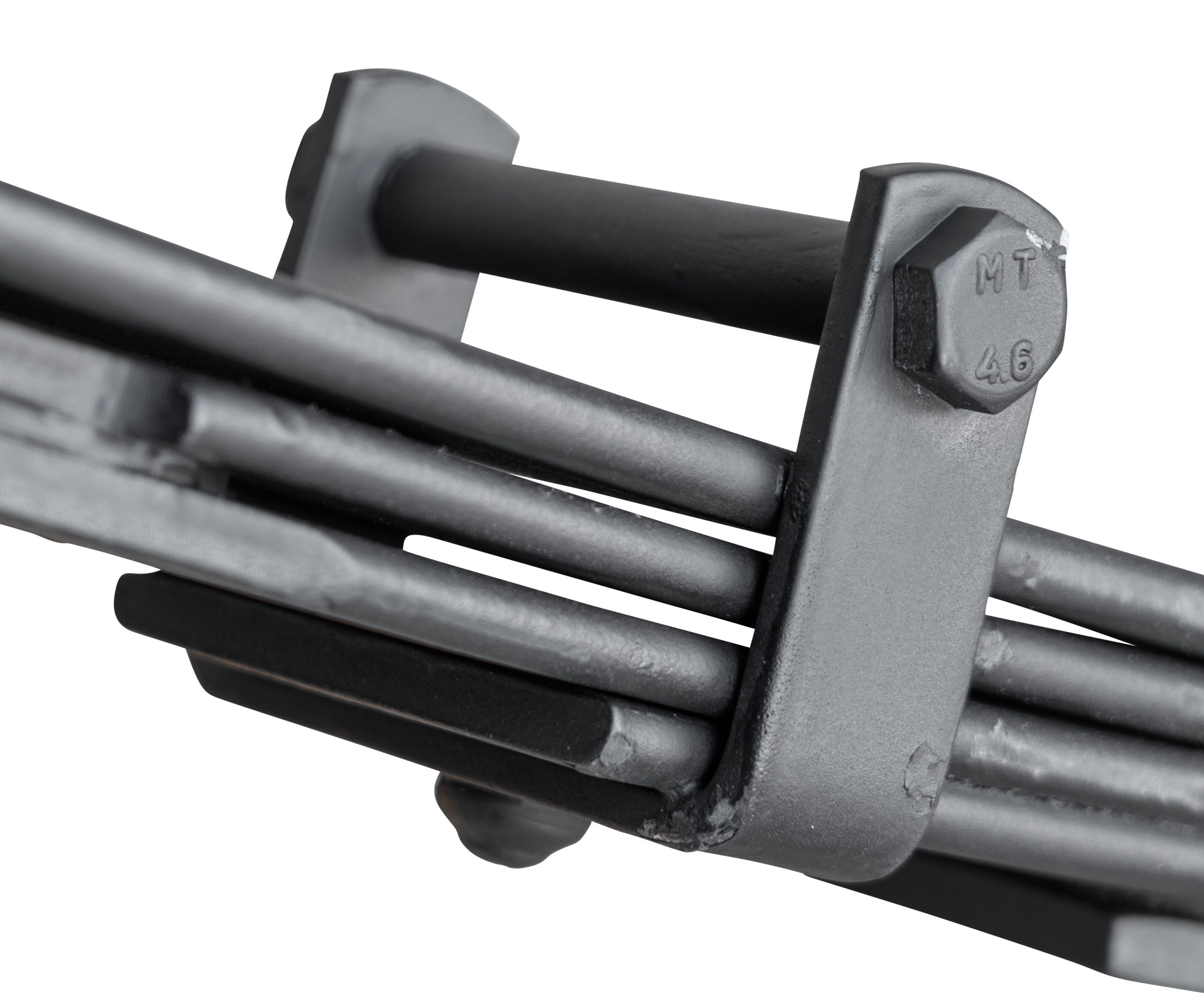
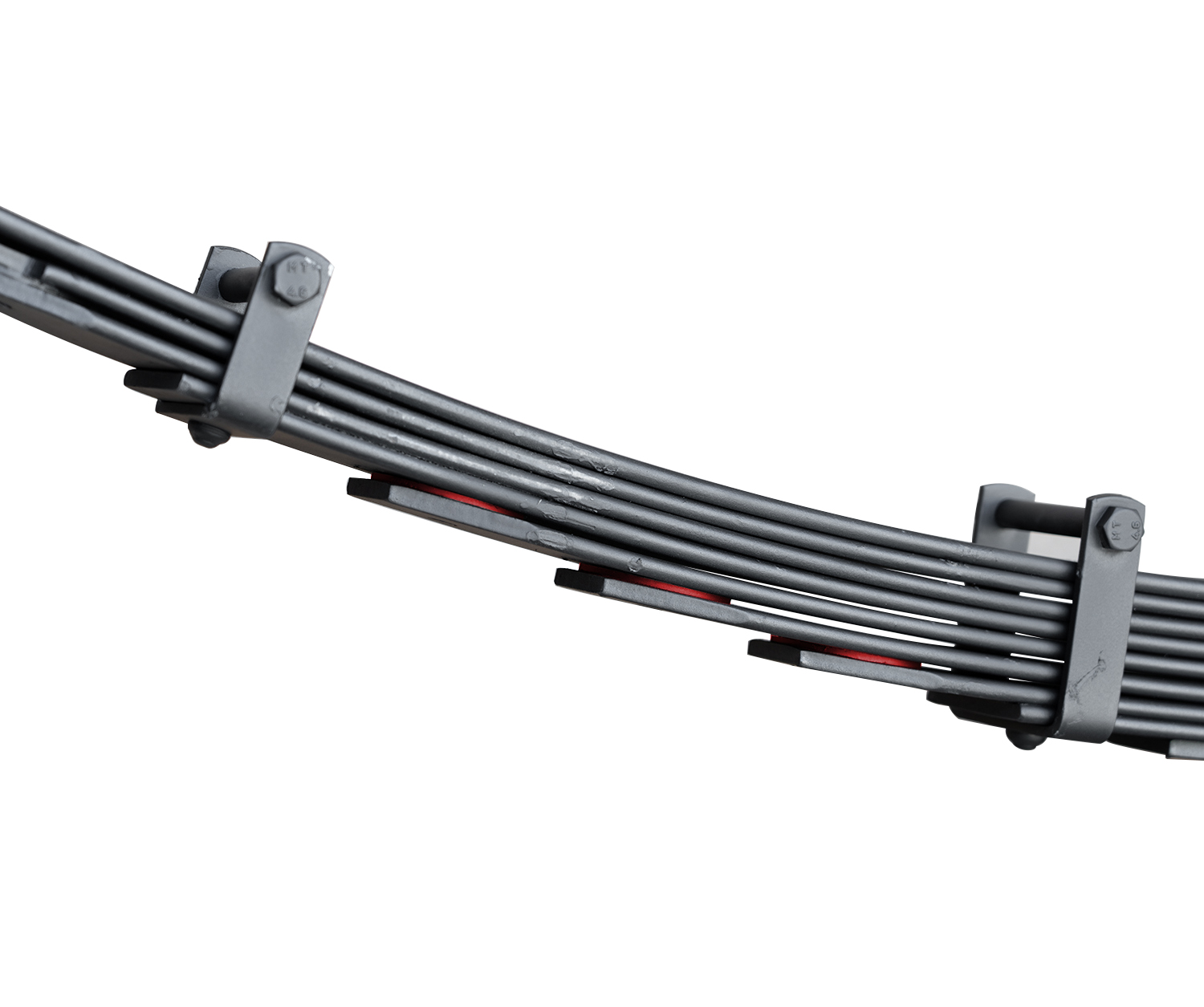
– Minimized Friction Throughout the Pack
– Optimal Ride for Commuter, Backcountry, Pintop and E-Venture
– Optimized Center Pin Location to Ensure Maximum Tire Fitment
– Includes Serviceable Bushings, New U-Bolts and Rear Bump Stop Drops
– Fitment: 2017-24 Ford F250/350 4×4, Diesel 3.5-4.0″ Axle Tube
Description
- Reduced Overall Spring Rate to “light 3/4-ton” for a Better Ride
- Increased Progression (Spring Rate)
- Progressive Overload (Factory overload is a hard-stop)
- Dramatically Increased Suspension Travel
- Elimination of Factory Vulcanized Bushing Bind – Added Ability to Service Cari Bushings
- Maximized Spring Efficiency by Minimizing Friction Throughout the Pack
- Custom Tuned Commuter, Backcountry, Pintop and E-Venture Shock Packages to the New Rate and Progression of the Carli Leaf Springs
- Optimized Center Pin Location to Ensure Maximum Tire Fitment
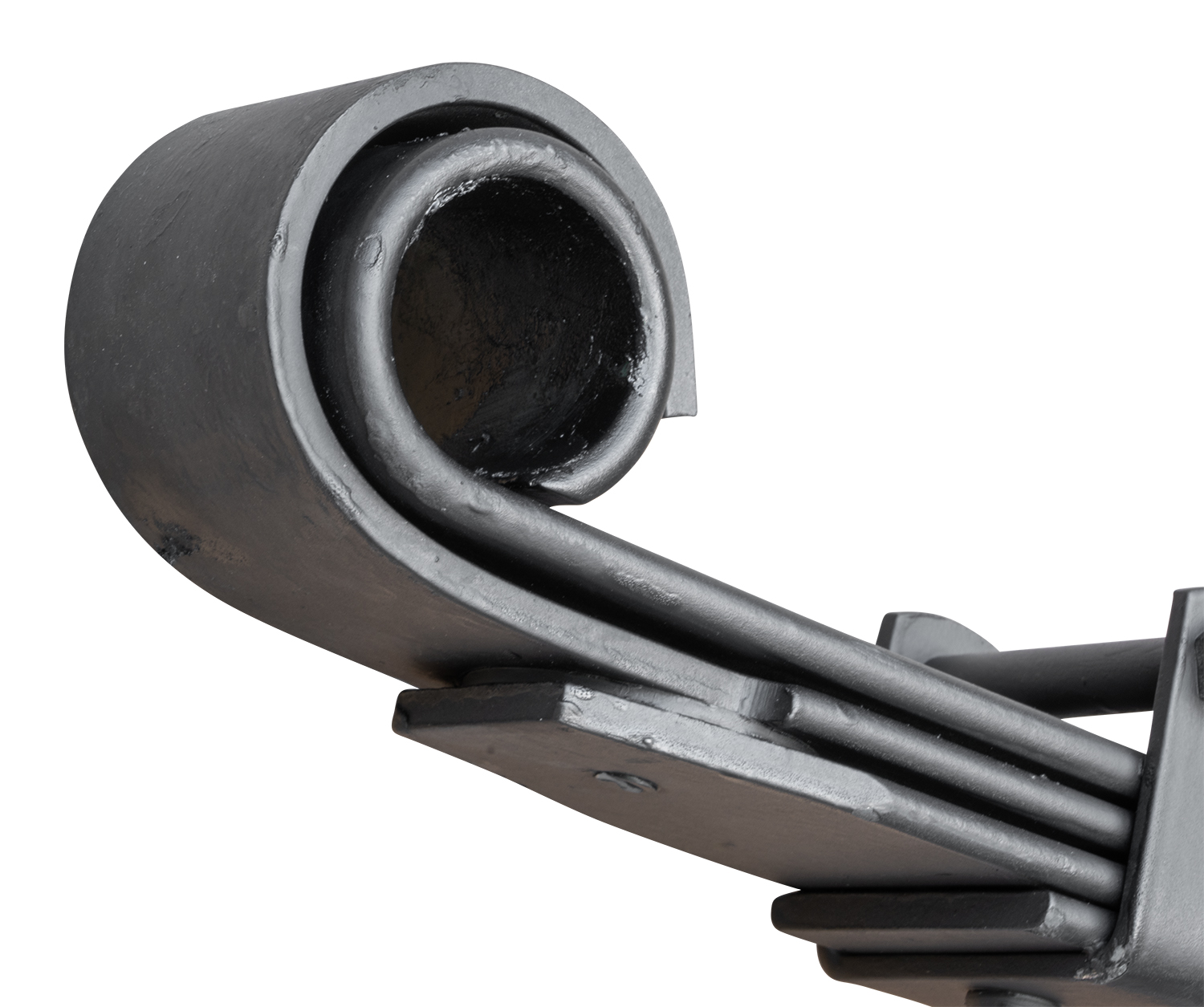
- Military Wrap on Front Eyelet for Safety
- Sprayed, OEM Quality Coating Tested to 250 Hour Salt-Spray. The coating is applied to each leaf before assembly to ensure complete
FACTORY LEAF SPRINGS
Knowing whether to swap leaf springs starts by understanding what’s on the truck and the shortcomings of the design. The factory springs do one thing well – haul. They’re designed and built to handle the max capacity of the truck every day of the truck’s life and, when loaded with max capacity, they ride decent. Thing is, most of these trucks sell to people that will use the HD truck for its intended purpose, but far less frequently than the design intends.
Leaf springs are archaic in design – they either haul well or ride well. You can land anywhere in this spectrum you’d like but there will be sacrifices at the opposite end as you shift throughout. The factory springs slide the scale all the way to the “haul well” end of the spectrum. Let’s dig into their design…
The factory leaf spring are designed with 2-3 stages of spring rate. Pictured is a Stock F250 Leaf Spring Pack with 2 stages
MAIN SPRING
First, there are 2-4 springs that make up the main support in the factory pack. These are high-gauge steel and ride, well, like high gauge steel. F250 High-Capacity/Tremor Leaf Springs or F350 Springs will have 3 main springs AND an upper overload (adding a 3rd stage of spring rate in the pack).
Pictured is an unloaded pack; under the weight of your truck bed, you’ll see less of a gap between the main springs and the overload.
OVERLOAD
The second stage of the pack is the below-highlighted lower overload spring. Providing support to the main springs, this immobile spring rate ceiling ensures the rear doesn’t sag below a predetermined point under load. As there is very little give to this spring, you’ll know when you bonce off the overload. Riding around town, you’ll likely note that small bumps are absorbed pretty well as you’re riding on the leaf spring bushings and main springs (F250, at least – F350 are pretty stiff everywhere thanks to the 3rd main leaf).
If you encounter a speed bump or culvert, especially at speed, the rear end hits much harder and often jumps up in the air as a result of the engagement of the lower overload spring. This design is cheap and proven on an HD truck. Unfortunately, it leaves a lot to be desired in ride quality, on and off-road, in the medium to large bumps, particularly when unloaded as there’s not enough weight in the bed, nor rebound valving in the shocks, to keep the rear plante
Related products
-
Chassis & Suspension
RAM 3500 4X4 DIESEL CARLIDescription The Carli Suspension 2.0 IFP Front & Rear Shocks AS-DLVLSPKG-CS20IFP-A are tailored for those seeking the ultimate on-road ride quality without any intention of off-roading. These shocks are designed to optimize the performance of Carli’s 2.5″ lift Front Coil Springs, while utilizing the factory rear coils, delivering a ride that excels in on-road conditions, highway driving, city commuting, and towing/hauling scenarios. Carli Suspension has honed its expertise by pairing their in-house manufactured components with top-tier products from other industry-leading brands. Through rigorous testing and collaboration, Carli has developed an extensive knowledge base to refine shock tuning and design, making them specialists in producing high-quality suspension systems. The construction of these shocks uses 6063 aluminum, providing outstanding heat dissipation and durability. The 5/8″ hardened, chrome-plated steel shafts are engineered to ensure maximum performance. Premium 5WT oil is used in these shocks to offer superior lubricity, damping consistency, and a broad temperature range. One of the standout features is the inclusion of rubber stem-top bushings, which Carli has carefully selected for their superior performance. While the suspension industry often favors poly bushings, Carli’s commitment to quality has led them to use rubber bushings for the stem-top, which better withstands the forces encountered in that position. The rod ends are crafted from high-quality 6061 billet aluminum, and each is equipped with a single-piece bushing and zinc-plated crush sleeves for precision fitting and longevity. The unique cylinder end cap overlaps the shock body to provide additional support to the internal snap ring, while also acting as a travel limiter for trucks not equipped with Carli radius arms and limit straps. Features: 9.5″ Front and 11″ Rear Travel Not compatible with Factory Air-Ride Carli SPEC 2.0″ Internal Reservoir (IFP) Shocks, Front & Rear Compatible with 2.5″ Carli Front Coil Springs and Factory Rear Leaf Springs Corrosion-Resistant 2.0 Aluminum Body Ensures A Long-Lasting Finish And A Clean Look Designed With On-Road, In Town, Highway And Towing / Hauling In Mind While Being Easy On The Wallet, These Are Great For All-Around Comfort Carli Proprietary Tuning Based Around The Specific Weight Of The Ram 3500 Diesel And Designed To Pair With Carli Leveling Springs, These Shocks Will Ensure A Great Ride Suspension 2.0 IFP Front & Rear Shocks
$848.00 Add to cart -
Chassis & Suspension
F250/F350 2011-2026 Ford w/Gas Engine (w/2.5″ to 3″ lift kit) – Carli Pintop King 2.5 Reservoir Shocks (set of 4)
$2,960.00 Add to cart


Reviews
There are no reviews yet.